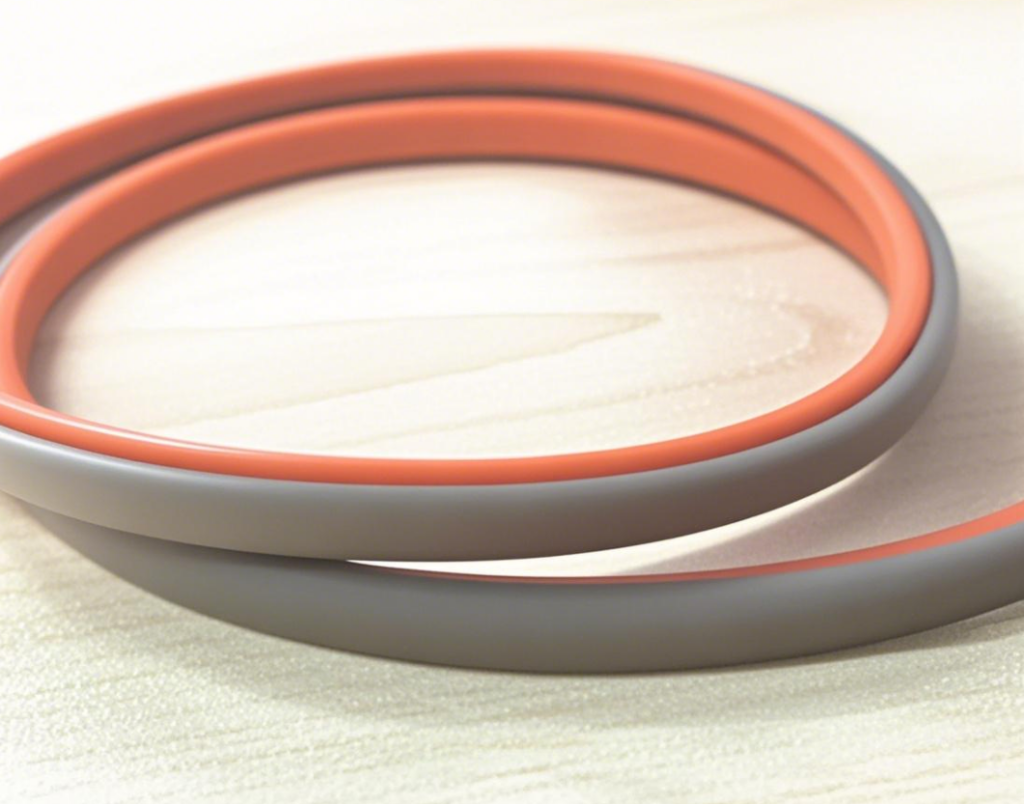
Introducing the following report presents perspectives relating to silicone compound coupled with electron-flowing silver rubber seals for RF suppression prevention.
Siloxane-based materials are frequently deployed toward flexible tasks for reasons of their remarkable resilience and compound immunity. Nonetheless, their basic weakness of electron flow restricts the effectiveness in certain device-oriented functions.
The incorporation of electrically responsive ultrafine particles, especially silver-coated infused inside the silicone material, forms a synergistic effect producing an electrically active connection permitting effective EMC suppression.
That plans support devices to defend against undesirable signal noise.
Wrapping Electronic Parts: A Duty of Silicone and Charge-transporting Seals
Robust covering of electrical parts is essential in severe environments. Elastomers, with the exceptional pliability and compound resistance, grants high-quality moisture seal traits. However in implementations expecting shielded efficiency, current conducting membranes, often manufactured from charge transporting aggregates, are required essential to limit electrical electrical noise and maintain dependable activity. An melding of PDMS plus metallic pads signifies a comprehensive solution to ensuring resilient work in high-tech hardware.
Electronic Defense Gaskets: Maximizing Functionality using Electrically conductive Silver-loaded Elastomer alongside dimethyl polysiloxane
{Powerful RFI clutter attenuation interfaces remain important for guarding sensitive computer devices and networks from unwanted dispersed transmitted noise. Contemporary designs often incorporate a combination of conductive Silicone Rubber and Siloxane elastomer to ensure optimal capability. Conductive SR provides notable electrical charge transfer, securing a robust electrical path for dispersing harmful signals. Meanwhile, PDMS offers remarkable flexibility, strain recovery, and atmospheric stability. Careful material assessment and assembling techniques, such as a fine layer of SR within a PDMS matrix, optimize both shielding success and persistent durability.
- Assess different material assemblies considering on use case stipulations
- Guarantee correct shutting weight for steady contact
- Test barriers periodically to ratify efficiency
This synergistic model leads in EMI components that afford unsurpassed protection and robustness.
Siloxane compound Conductive SR Pads: Safeguarding Electronics from Invasion
Addressing critical instrumentation units, radiation noise can lead to detrimental effects, producing for faults including content alteration. Siloxane compound electron-conducting silver-loaded elastomer components deliver effective dependable technique implementing ensuring efficient efficient guard resisting those intrusions. These membranes, ordinarily made containing silicone material elastomer incorporated by conductive granules, manufacture improved reduced impedance track leading to ground, eliminating RFI together with radio range pollution output. An flexible setup permits tight durable closure including across textured facets, permitting them optimal within operations covering therapeutic tools, telecommunications systems, as well as multiple production locales. Applying special Dimethyl polysiloxane current carrying silver-based rubber closure stands for robust forward-looking procedure meant for ensure platform consistency together with preserve employed resilience.
Boosting Device Element Protection with Siloxane Polymer-Based Radio Frequency Interference Suppression
Effective instrument piece covering presents a essential difficulty in today's engineering due to mounting RF pollution. PDMS provides a superior plan when joined with electronically active additives to construct sturdy EMI protection coatings. This framework not only strengthens apparatus functionality but also diminishes potential danger of malfunction deriving from outside RFI perils.
Electroconductive SR Enhancement Effect in PDMS Pads for Superior EMI Attenuation
Cutting-edge components fabricated from polydimethylsiloxane (PDMS), incorporating electronically conductive fillers, display significantly improved blocking potential against electromagnetic interference (EMI). The amalgamation of particles like carbonaceous nanotubes or nickel flakes provides a passage for electrical flow flow, thereby creating a more firm electromagnetic barrier. This electrically elevation in gasket efficiency is critical for vulnerable electronic components requiring remarkable EMI shielding in various disciplines. This method offers a viable alternative to established metallic gaskets, particularly in flexible environments.
Opting for the Right EMI Defense Gasket: PDMS vs. Conductive SR Substitutes
Determining suitable radio frequency screening barriers obliges detailed review of several parameters. Typically, metallic Silicone Rubber (Silicone elastomer) was a typical pick; however, Dimethly Silicone (Dimethylsiloxane) arises as a practical fallback, particularly where pressing ranges are curtailed or material coexistence is indispensable. Polymer silicone offers enhanced malleability and has the ability to tolerate tighter margins, despite continuing exceptional shielding functionality.
State-of-the-art Covering Systems: Dimethyl polysiloxane, Conductive Silver rubber, and Digital equipment Defense
Progressive wrapping systems are notably crucial for maintaining high-precision Conductive SR equipment assemblies. polymer silicone, with its prime supple nature and environmental strength, affords notable situational screens. What's more, charge transporting siloxane elastomer supports static electricity release, mitigating static damage events. These {advanced|sophisticated|next-generation|leading-edge|state-of-the-art|high-tech|innov