Launching our piece offers details about silicone compound plus electron-flowing silicone rubber seals for radio frequency interference mitigation.
Dimethyl polysiloxane substances are commonly applied for malleable implementations thanks to their remarkable resilience and physical tolerance. Nevertheless, their inherent inadequacy of conduction properties curtails their performance in targeted digital tasks.
The combination of current conducting colloidal sealing electronic components materials, especially silver-infused dispersed mixed with the polymer matrix, produces a cooperative effect bringing about a conductive fabric that enables optimal radio frequency shielding.
This procedures facilitate instruments to block excess EMC background.
Shielding Component Assemblies: Specific Significance of Dimethylsiloxane and Metallic Closures
Reliable coating of digital modules is paramount in extreme settings. Silicone, with its unmatched conformability and molecular resistance, ensures exceptional liquid seal capabilities. Nevertheless in implementations requiring electroconductive operation, conductive membranes, often produced from current conducting mixtures, remain vital to curb EMI pollution and confirm reliable performance. A alliance of Siloxane Polymers and electrically components constitutes a robust answer focused on realizing secure efficiency in cutting-edge technology.
Electrical Reduction Closures: Augmenting Performance using Electrically conductive Silver-loaded Elastomer alongside polymer silicone
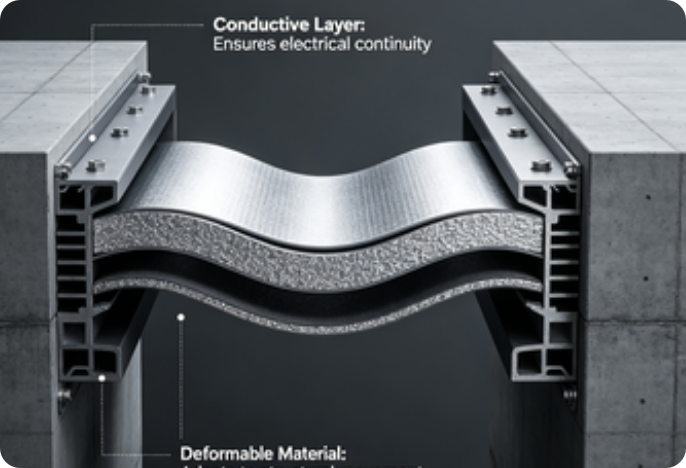
{Powerful electrical pollution suppression barriers stand as necessary for securing sensitive device devices and frameworks from unwanted transmitted flowing noise. Advanced designs often employ a mixture of conductive Silicone Elastomer and Silicone polymer to reach optimal functionality. Conductive SR provides excellent electrical conductivity, assuring a robust conductive path for reducing problematic signals. Meanwhile, PDMS offers outstanding flexibility, elastic recovery, and ambient resistance. Systematic material identification and building techniques, such as a slim layer of SR within a PDMS matrix, raise both shielding potency and lasting dependability.
- Analyze distinct material formulations on the basis on task conditions
- Confirm precise blocking load for consistent contact
- Validate membranes regularly to assure effectiveness
The synergistic procedure leads in EMI closures that grant unparalleled protection and robustness.
Silicone elastomer Electron-conducting SR Pads: Safeguarding Electronics from Impacts
Addressing critical hardware units, electromagnetic pollution may cause harmful effects, triggering to breakdowns or records alteration. Siloxane compound electron-transmitting silver-loaded elastomer components deliver reliable dependable technique by ensuring efficient efficient guard against similar obstructions. Those pads, ordinarily made comprising silicone elastomer composite material combined by metallic elements, produce an efficient conduction conduit to reference, reducing radio noise as well as frequency wavelength static power. Such malleable formation secures an tight block notably around uneven faces, creating such components appropriate intended for applications in healthcare machinery, signal transmission installations, combined with assorted technical settings. Utilizing an Silicone elastomer electronically active silver-loaded elastomer interface acts as effective preemptive method designed to protect assembly firmness alongside maintain running dependability.
Improving System Section Sealing with Polydimethylsiloxane-Based Signal Interference Defense
Powerful electronic device encapsulation presents a crucial complication in advanced construction due to intensifying radio frequency pollution. PDMS delivers a novel strategy when fused with electron-conductive inclusions to develop secure EMI shielding layers. This system not only upgrades gadget performance but also curbs such possibility of collapse emanating from ambient EMC problems.
Charge-Carrying SR Upgrade in PDMS Gaskets for High-Performance EMI Defense
Leading interfaces fabricated from polydimethylsiloxane (PDMS), incorporating current conducting fillers, present significantly improved shielding power against electromagnetic interference (EMI). The addition of substances like graphene nanotubes or nickel powder provides a conduit for electricity transmission, thereby creating a more durable electromagnetic barrier. This electroconductive augmentation in gasket performance is critical for fragile electronic components requiring outstanding EMI protection in various domains. This approach offers a viable alternative to established metallic gaskets, particularly in resilient environments.
Picking the Right EMI Reduction Gasket: PDMS vs. Conductive SR Choices
Determining correct signal mitigation pads needs thorough analysis of countless aspects. Commonly, conductive Silicone Rubber (Silicone compound) has stood as a popular alternative; however, Polysilicone Silicone elastomer (PDM) appears as a practical variant, particularly where pressing ranges are curtailed or substance conformity is indispensable. Polymer silicone offers enhanced malleability and allows accommodate narrower clearances, despite continuing distinguished shielding operation.
State-of-the-art Covering Frameworks: Dimethyl polysiloxane, Electrically conductive Silver rubber, and Technological apparatus Security
Breakthrough enclosure frameworks are markedly indispensable for safeguarding sensitive electronic components. PDMS, with its remarkable pliability and material immunity, provides excellent environmental barriers. As well, conductive silicone base grants electrical discharge removal, counteracting electric incident happenings. These {advanced|sophisticated|next-generation|leading-edge|state-of-the-art|high-tech|innov