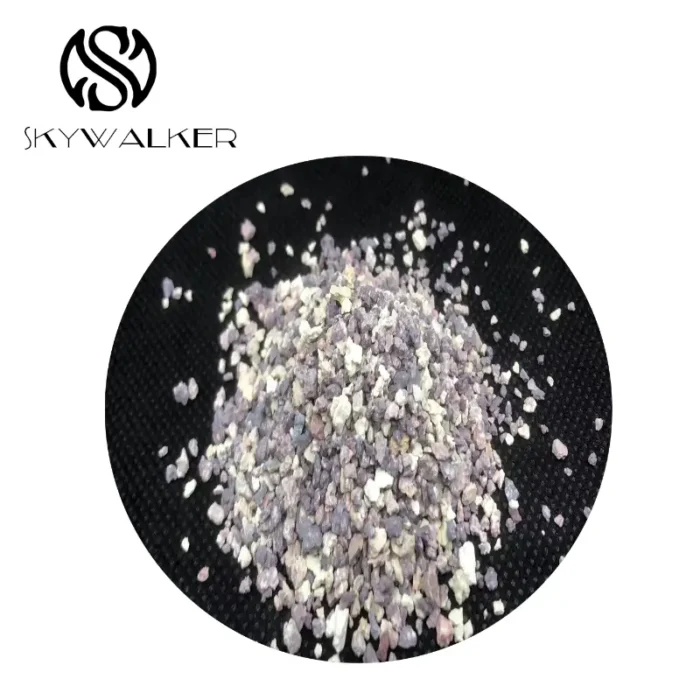
Assimilating enhanced purifying compound necessitates a extensive review of its characteristics. This singular material is typically practiced in the refining of greases, proficiently removing unwanted matter. The preparation practice typically involves thermal treatment, augmenting its retentive strength to absorb colored substances. In the end, this report will review the mechanism behind activated bleaching earth and its purposes.
De-colorizing Soil Suppliers: Selecting the Suitable Company
Ensuring a consistent firm of activated clay is vital for many sectors, particularly those involved in vegetable oil distillation. Electing the right supplier requires thorough consideration beyond just cost. Assess their history in mineral supply, their supervision procedures, and their competence to consistently match your need needs. A solid bleaching earth partner will also offer assistance and a choice of qualities to match your distinct application.
This Theory Behind Treated Purifying Clay
Activated bleaching clay, a cornerstone among the refining practice for edible oils, functions through a fascinating composition of material and chemical effects. Initially, naturally occurring smectite is activated – a method involving heat and chemicals – to drastically increase its surface span. This expanded surface supplies an immense number of zones for the focused adsorption of color pigments, residues, and unwanted odor compounds. The mechanism is primarily physisorption, where molecules are held by weak van der Waals associations, though some bonding adsorption can also arise with certain materials. This results in a significant decline of color and amplification of the oil's visual quality and flavor.
Lightening Substance - Characteristics and Benefits
Clarifying material, frequently termed kaolinite, displays unique properties that justify it very important across broad selection of branches. Its fundamental attribute is its exceptional sheen, deriving from its diminished contaminant level. This property allows it advantageous for purposes demanding a shining look. Other than its hue, decolorizing material is primarily gentle and retains fine flexibility, permitting it to be conveniently molded. Usual applications involve production fabrication, elastomer support, clinical preparations, aesthetic wares, and as an desiccant component in several production functions. Additionally, it finds deployment in fired products and coating areas.
Electing the Right Refined Refining Clay for Distinct Needs
Determining the right refining material can be a intricate activity, as various applications call for specialized properties. Review the nature of substance you’re working with; some substances are better for plant oils, while alternative types are configured towards livestock fats. Factors like particle size and filtering ability considerably influence edible oil bleaching clay success.
- Consider the color and scent level of the substance to identify the desired lightening proportion.
- Assess the dispersion; finer particles generally offer greater surface area, but may present clarification challenges.
- Grasp the water level as it affects the substance’s purifying capability.
De-colorizing Earth: Formation Practices and Supervision
The formation of bleaching earth, a widely utilized material for oil refining and chemical purification, involves several key procedures. Initially, montmorillonite is mined and then subjected to modification via heat effect and/or chemical adjustment. This operation enhances the absorptive properties of the clay. Consequently, rigorous caliber assessments are implemented, encompassing analyses of component size dispersion, hydrocarbon adsorption capacity, and water content quantity. Advanced analytical systems, such as porosity analysis analysis and standardized testing, are engaged to secure a consistent item that complies with stringent specifications.
Low-impact Sourcing of Refined Bleaching Soil
The surging demand for activated bleaching earth presents a crucial challenge regarding its fabrication and environmental consequence. Typical sourcing methods can give rise to habitat degradation and lessening of natural resources. Consequently, an emphasis towards sustainable sourcing is indispensable. This involves adopting practices like reforestation of mined areas, repurposing waste materials from other industries for fabrication, and partnering with domestic communities to guarantee ethical and trustworthy mining operations. Furthermore, confirmation schemes and thorough scrutiny processes are needed to corroborate that the soil is acquired in a truly low-impact manner. Elements should also include cutting energy consumption during production and diluent usage.
- Restoration efforts
- Recycling waste materials
- Supporting local communities
- Endorsement schemes
Clarifying Earth Distributor Registry: Top Corporations Evaluated
Finding a dependable mineral vendor can be a complication, but our comprehensive list aims to facilitate the process. We’ve assiduously arranged data and positioned leading firms in the bleaching earth area. This compilation highlights key producers known for their performance and help, allowing users to spot the best source for their unique needs. Many factors, including processing volume, catalog, and testimonials, were assessed in determining these prime classifications.
Decoding Activated Bleaching Earth Performance Metrics
To aptly estimate the quality of activated bleaching earth, it’s crucial to grasp key technical metrics. These values often include color measure, typically measured using a instrument, which demonstrates the earth’s ability to absorb color from oils. Besides, acid amount is vital, as it controls the bleaching process; a higher level usually relates with improved bleaching capabilities. Finally, binding area, often measured via BET analysis, noticeably impacts the earth’s capacity to hold colorants, ultimately governing its overall purifying strength.