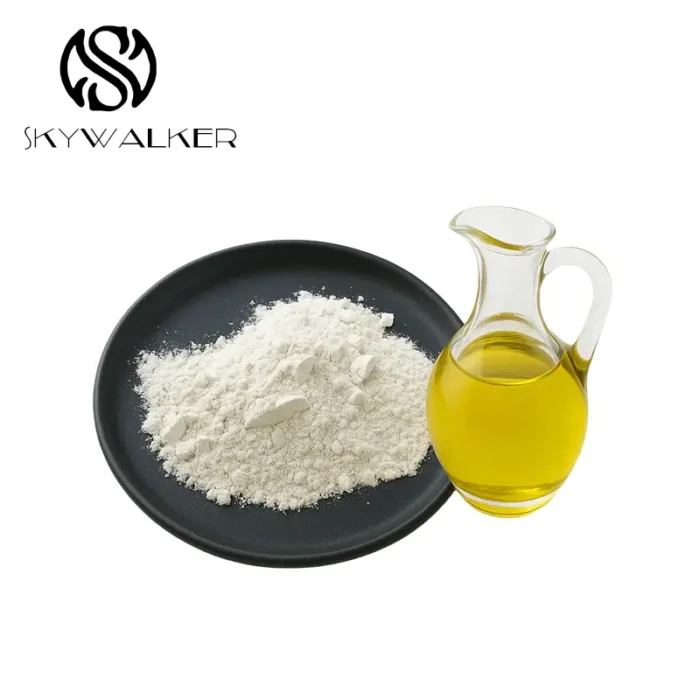
Hello,
Fossilized soil, usually termed DE, signifies a notable natural filtration approach. Derived from the fossilized remains of microscopic microorganisms, this tiny material boasts a unique structure – millions of tiny, void chambers creating a large surface area. This pattern provides exceptional purifying capabilities, effectively removing pollutants from water. It’s a protective and sustainable variant to synthetic filters across various businesses, including water filtration, food processing, and farming systems.
DE Filtering Agent: An In-Depth Overview for Better Clarity
Obtaining lucid clarity in your treatment actions often requires effective clarification methods. Diatomite filter aid, a dynamic natural substance, offers a considerable improvement, acting as a layer to seize fines that would otherwise pass through your medium. This guide will review how diatomaceous earth – often simply called diatomite – works, its manifold applications in beverage production, and effective tips for paramount performance. Proper practice of diatomite can dramatically enhance the refinement of your final result, leading to notable taste and aspect.
Kieselguhr Overview: Purposes, Merits, and Wellbeing
Kieselguhr, identified as diatomaceous dust, is a frequent sedimentary stratum composed of the fossilized remains of aquatic microorganisms. It's primarily made up of silicon dioxide, the mineral silica, and has a remarkably porous structure. This unique composition lends itself to a diversity of applications across several domains. Here's a look at its utilizations:- Clearing: Often leveraged in water cleaning and brewery operations to remove contaminants.
- Insect Management: Acts as a biological insect repellent by damaging the external surfaces of insects.
- Smoothing: Employed as a delicate scrubber in metal refinishing.
- Healthcare & Nutrition: Can be found in anticaking additives and excipients in certain products.
Determining a Proper Filtration Medium Agent: Advice pertaining to Individual Use
Deciding on that best screening support powder form stands as essential intended for attaining effective processing within their procedure. Consider diligently elements specifically particle extent, flow tempo, cake generation, and chemical correlation with a concoction. Frequent forms encompass diatomaceous material, perlite and cellulose yarns, each featuring unique performance indicators. Appropriate review of these points will guide you select that most appropriate filtering material choice.
Earthy Material vs. Different Clarifying Aids: Top Option?
Once deciding a clarifying aid for your system, various selections occur beyond purely DE. While sediment powder remains a favored remedy due to its fine particle measurement and excellent separating capabilities, competitors like lightweight mineral and fiber particles provide special prospects. All things considered, the perfect option counts on factors particularly rate, effectiveness, fit with your unique compound and the recommended level of purification.
Diatomite Technology: Build and Refinement Aspects
Diatomite is a remarkable sedimentary deposit formed from the fossilized remains of unicellular organisms. These minute-sized organisms possess intricately molded silica exoskeletons, termed housings, exhibiting a ventilated structure with a complex of nano pores and spaces. That very architecture grants silica earth its exceptional refining capabilities; the ample surface area and interconnected pore proportion allow it to effectively gather segregated matter from fluid mediums and gassiness. Subsequently, it's universally utilized in countless filtration employments, including wet medium purification, hydrous refreshment purification, and therapeutic production.Renewable Filtering: Studying Siliceous Filter Options Possibilities
Increasing concerns regarding water refinement and eco-conscious consequence are motivating a quest for progressive straining tactics. An remarkably intriguing alternative involves natural sediment powder, a genuinely originating sedimentary substance composed of the skeletons of very small algae. As opposed to common filtration arrangements that regularly rely on created elements, diatomaceous earth offers a regenerative choice. Its distinct openwork construction creates a extremely impactful strainer capable of removing a far-reaching selection of unwanted matter from different liquid holdings.
Think about some strengths of using diatomaceous DE in treatment:
- Supplies excellent separation efficiency.
- Serves as sustainably wholesome.
- Stands for a affordable way.
- Might be exploited for diverse projects.
Homemade Pool & Pond Restoration: Using DE
Aspire for a sparkling pool or pond devoid of costly chemicals? Contemplate using microfossil powder! This fossilized algae powder is a effective screening agent. It works by ablating tiny impurities and other waste from the hydrous setting. Easily add it directly to your recreational water zone or incorporate it in a DIY pool cleaning mechanism. Continually use filter-grade diatomaceous earth, as other types can be toxic to ecosystem inhabitants. Here's how it can help:
- Filters out algal blooms
- Refines optical clarity
- Offers a green alternative to aggressive mixes
Following Ground to Strainer: The Travel of Sedimentary Silica
Believe diatomaceous earth a substance seemingly commonplace, yet generated over eras – that’s diatomite. It arises as the residues of microscopic algae, diatoms, that flourish in clean waters. When these minuscule creatures expire, their siliceous earthy cell envelopes plunge to the underlayer of the area of water, gathering over great periods. These beddings are then buried under layers of additional sediment, exposed to immense pressure and warmth. Finally, this stone is extracted, refined, and transformed into the versatile filtering agent we recognize as diatomite.