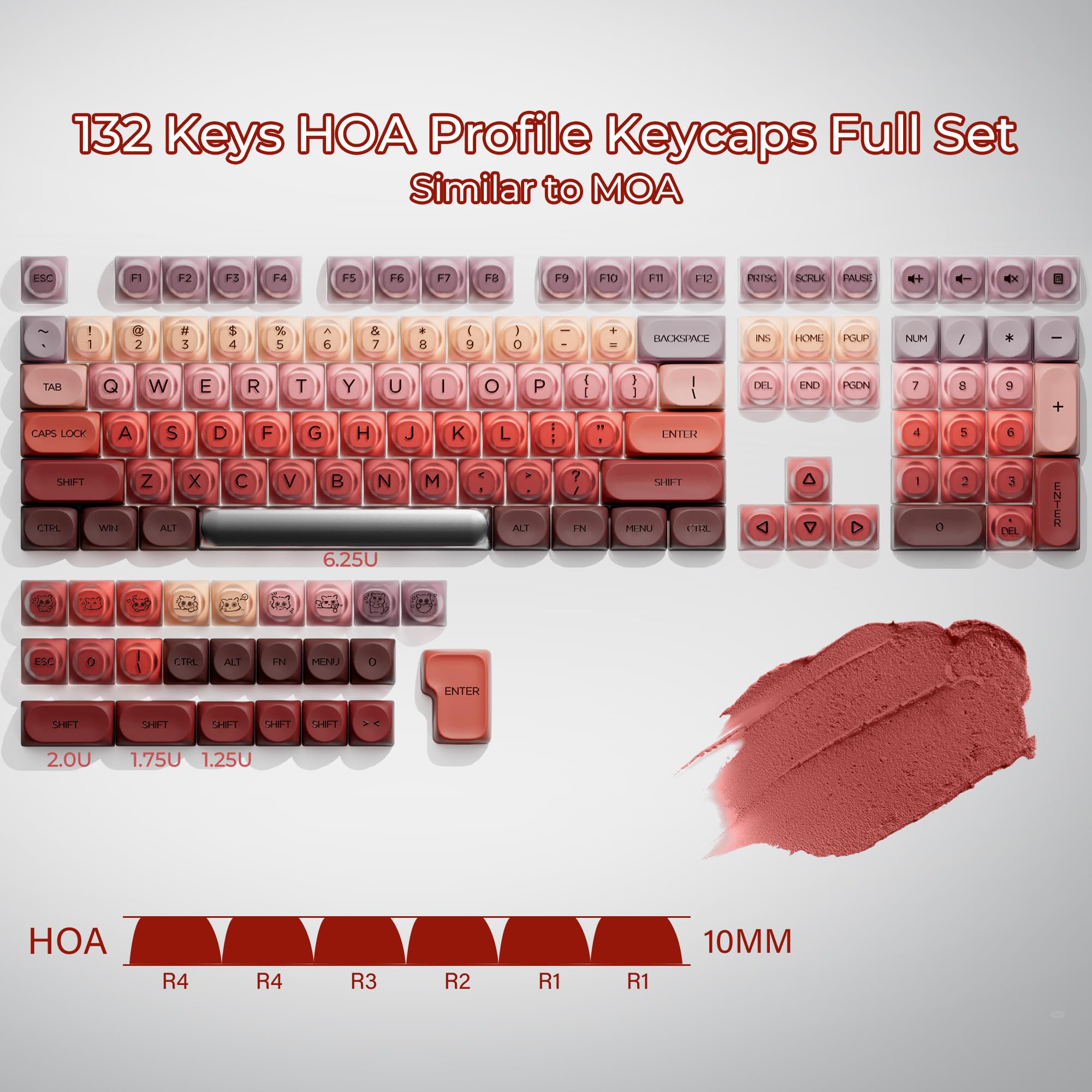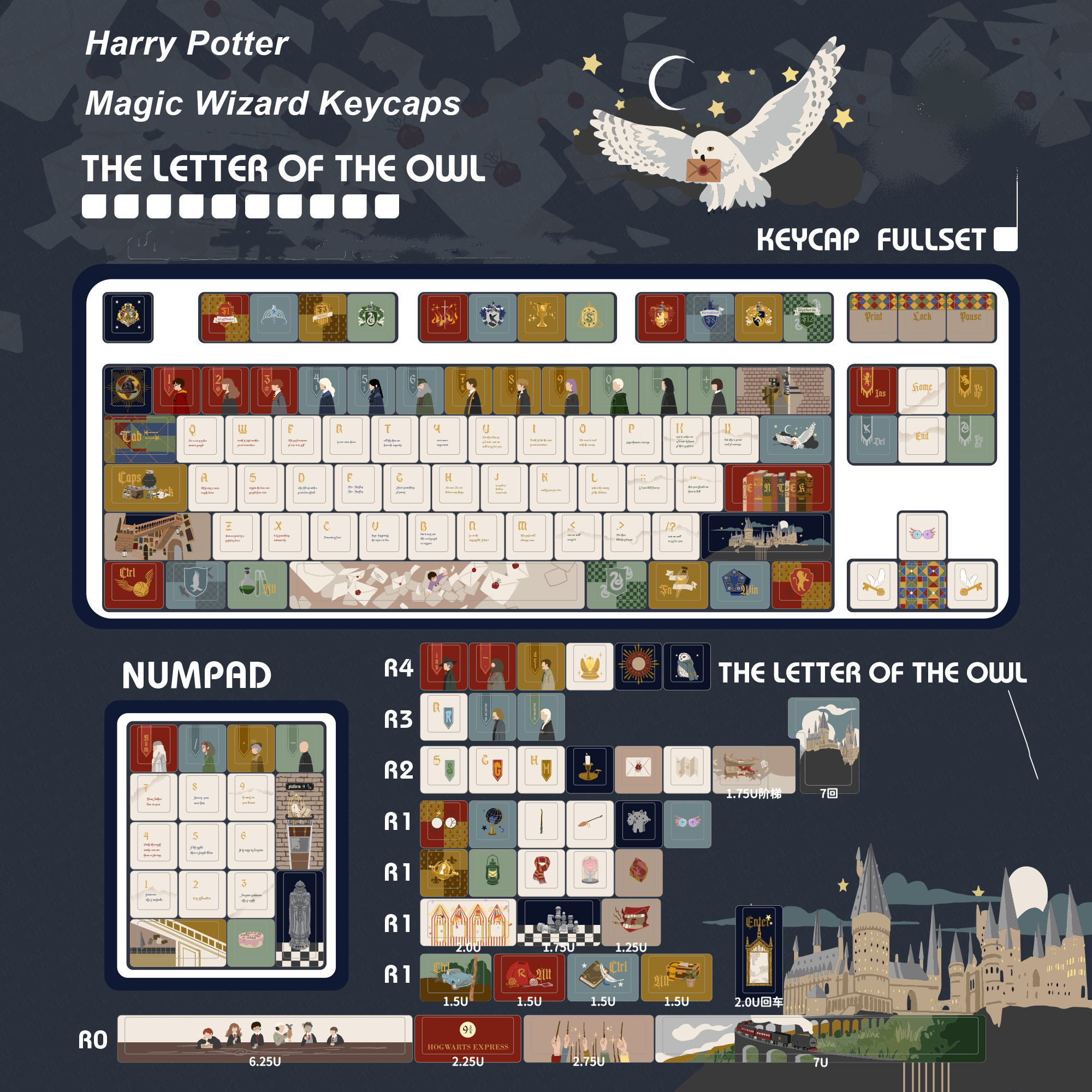
Commencing your custom data entry device expedition asks for recognizing pressing elements.
Seeking to adapt personal keyboard usage? Typing keys are a wonderful way to do just that! Small parts sit atop your keyboard hardware switches and dramatically alter its aesthetic. From standard ABS plastic to high-end PBT, assorted materials offer unique surfaces. Explore profiles like Cherry, OEM, or SA to reshape the height of your keycaps, and unlock a whole new level of keyboard satisfaction. Evaluate the options – it’s more than just aesthetics; it's about crafting a custom gadget that truly reflects your individuality!
Elite Keycap Assortments for Customized Mechanical Keyboards
Beginning the adventure of customizing your mechanical system often leads to the crucial decision: keycaps! Deciding on the right set can dramatically transform your tool’s aesthetics and feel. From classic silhouettes like Cherry and OEM to more specialized options like SA and DSA, there’s a concept for everyone. Here's a summary look at some top contenders. Consider doubleshot ABS keycap sets for a vintage vibe, PBT for robustness and a textured feel, or even artisan keycaps for a truly tailored touch. Some well-regarded sets include GMK (known for their outstanding), Artifact (offering spectacular designs), and Drop (providing predictable offerings). For novices, understanding the substance and profile is key, while knowledgeable enthusiasts might chase rare or exclusive releases.
- Material Secrets: ABS vs. PBT – consider finish and longevity.
- Profile Preferences: Cherry, OEM, SA, DSA – each changes the texting experience.
- Appearance Aspects: Color schemes, legends, and overall arrangement are key.
Mechanical Keyboard Keycaps 101: Elements & More
Examining the sphere of mechanical keyboard tailoring, keycaps are a fundamental component. Understanding the diverse materials used is paramount; common choices embrace ABS, PBT, and rarely metal. ABS is typically much less durable and liable to shine, while PBT offers a heightened textured feel and improved longevity. Keycap forms, like Cherry, OEM, SA, and XDA, direct the complete typing experience and design. As a finale, consider the markings - whether they are engraved or double-shot – as this alters their durability and presentation style.
Make Your Keyboard Unique: Investigating Keycap Art & Aesthetic
Hope to reshape your keyboard from basic to a personalized piece? Examine the dimension of keycap designs and models. Keycaps, those tiny plastic caps that you tap, offer a exceptionally wide spectrum of preferences. From traditional profiles like Cherry and OEM to current designs such as SA and DSA, each structure modifies the data entry engagement. You can detect keycaps in a variety of substances, including plastic, PBT, and even stainless steel, each offering a diverse hand sensation. Beyond just the constituent, the illustrations – be it intense legends, delicate gradients, or sophisticated artistic emblems – allows you to honestly express your distinctiveness. So, immerse in the enthralling world of keycaps and equip your keyboard a reinvigorated look!
Keycap Sets: Finding the Perfect Appearance for Your Creation
Choosing the right keycap range is absolutely crucial for creating your desired feel in a mechanical keyboard creation. Plenty of options are obtainable, from classic ABS plastic to more luxurious materials like metal keycaps. Consider factors like layout, chromatics, and imprints – do you choose a eye-catching look, or something more clean? Don't feel free to investigate different styles to find a match for your identity and keyboard tone.
Picking the Proper Keycaps: Compatibility & Responsive Keyboard Models
When enhancing your mechanical keyboard, opting for the correct keycaps is decisively important. Learning congruence starts with identifying your keyboard’s toggle type. Most keycaps are designed for original switches, but substitutes like Kailh might look for a fairly different design. Furthermore, consider the keyboard’s setup; regular layouts (like ANSI or ISO) affect keycap height and separations. To sum up, probing your keyboard’s attributes is vital for a seamless keycap changeover.
Above the Basics: Unusual & Singular Mechanical Control Toppers
Once you’ve mastered the regular Cherry MX profile, a whole world of alluring keycap styles awaits. Delve beyond the typical with artisan masterpieces sculpted from ingredients like metal, featuring decorative engravings, vibrant pigments, or even dynamic miniature things. Admirers hunt for rare series from limited runs runs, routinely depicting niche symbols or drawing from cryptic subjects. The rate can increase significantly, turning what was once a simple accessory into a authentic object of art.
How to Select Durable Keycaps for Mechanical Devices
Selecting a certain correct keycaps for one’s mechanical keyboard can notably elevate its typing response. Robustness is an important factor – look for keycaps produced from exceptional materials like PBT. PBT is frequently more resistant to wear than conventional ABS, while doubleshot molding blocks legend wear. Evaluate the keycap form; KAT are common choices, all offering a exclusive impression. Finally, check its keycap matching with her keyboard’s toggle type.
Starting with primary heading to conventional Mechanical Keyboard cap designs
Familiarizing with keycap profiles is fundamental for anyone devoted to the world of mechanical keyboards. Originally set by Cherry MX, the “Cherry” profile became a standard for many manufacturers. However, alternative profiles, most notably OEM, soon gained favor. OEM profiles are habitually found on pre-built keyboards, offering a mildly raised profile against Cherry, and habitually granting a preferred feedback to a variety of users. Exploring these contrasts opens you to select the perfect keycap motif for your tailored instrument.