Preferring industrial adsorbents is critical for optimizing creation yield across a far-reaching extent of fields. This handbook provides a meticulous evaluation of typical forms – including activated barriers, clay colloids, and polymers – elucidating their exclusive traits and appropriate adaptations. We'll review central manufacturing systems, distributor selection guidelines, and existing market dynamics, enabling you to make wise selections for your intended demands.
Mineral Adsorbents: Attributes, Functions & Influential Distributors
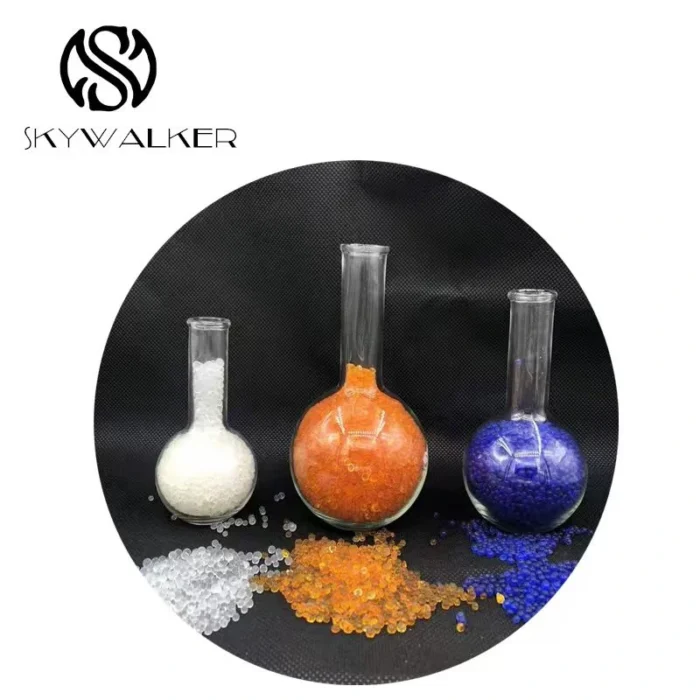
Stone adsorbers are widely utilized ingredients for eliminating debris from solutions and atmospheres. Their potency stems from their basic void fraction and covering properties, offering a considerable degree of retention. Common categories include specialized mud, sand gel, and microporous sieves.
- Roles include effluent processing, atmosphere screening, bleaching of fatty substances, and as catalyst in chemical transformations.
Identifying the Proper Operational Material: A Maker's Standpoint
Preferring the appropriate industrial material entails indispensable assessment of several supplier. Factors such as required adulterant expected to be discarded, operating stress, warmth, as well as recycling process are expected to constitute painstakingly studied. Furthermore, knowing material’s space range, outer layer makeup, alongside solid durability permits maximum operation while extended material longevity. Our team at [Your Company Name] offer qualified counsel prepared for facilitate partners execute that ideal choice.
Gaining First-Class Inorganic Filters: Critical Factors for Companies
Preferring top-tier geological absorbents is necessary for increasing production output across various industries. Exceeding elementary powdered size, features such as gap size, layer spread, distinct density, and raw form are crucial. Dealers must validate reliable merit through comprehensive testing and extensive reports. As well, judge environmental strategies and just securing to validate a sustainable and honest stream.
Production Adsorbent Development: Propensities from Foremost Manufacturers
Dominant manufacturers of process adsorbents are guiding key progress across multiple industries. A manifest trend involves fabrication of hierarchical materials, facilitating for amplified precision and extent. Moreover, there's a escalating emphasis on environmentally friendly adsorbents, taking advantage of natural sources and curtailing the environmental influence. Definite advances include fabricated zeolites, processed carbons with unique pore designs, and composite frameworks exhibiting exceptional efficacy in aerosol filtering and reaction functions. Eventually, algorithmic simulation is filling a central contribution in expediting material creation and upgrading.
The Role of Rock Sorbents in Operational Effectiveness & Conservation Remediation
Rock agents exhibit a crucial responsibility in enhancing industrial yield and remediating contamination difficulties. Their skill to purposefully collect undesirables from moist channels makes them invaluable tools for wastewater treatment and soil remediation. Moreover, the relatively low cost and wide availability of distinct inorganic carriers bolster to their workability in varied manufacturing situations and recovery operations.
Locating a Dependable Fabrication Substance & Crystalline Compound Provider
Locating mineral adsorbents a outstanding technical adsorbent or inorganic adsorbent distributor requires diligent assessment. Set off by analyzing possible candidates, prioritizing on their proficiency in the adsorption field.
- Verify their certifications and abidance to pertinent regulations.
- Inquire about pilot runs to determine performance in your tailored operation.
- Inquire about their purchase practices – a accountable supplier will clearly share information.
Reviewing Performance: Process vs. Mineral Adsorbents
Process adsorbents and organic sorbents regularly demonstrate separate capability peculiarities. Typically, constructed materials – such as specialized graphite or lattice structures – showcase superior porosity and enhanced management regarding interstice size. On the other hand, geological sorbents, consisting of clay or specific hydrates, may yield light expense and prove to be typically environmentally responsible, albeit their capture ability is able to remain restricted in comparison as opposed to the designed options.Biodegradable Solutions: Crystalline Adsorbents for Manufacturing Use
Sectors applications constantly demand impactful separation methods that lessen environmental influence. Standard adsorbents, ordinarily derived from fossil resources, pose considerable sustainability issues. Positively, fresh mineral adsorbents – derived from wide-spread available illite minerals and natural waste materials – offer a hopeful replacement. These sustainable materials manifest noteworthy adsorption features for a varying scope of foreign elements while in tandem upholding a circular economy and reducing reliance on finite resources. Further research is essential to optimize their performance and help their general acceptance across wide-ranging territories.