Opting operational adsorbents is vital for improving processing effectiveness across a diverse spectrum of applications. This guide conveys a complete inspection of frequent kinds – including molecular filters, silica substrates, and minerals – dissecting their specific characteristics and ideal roles. We'll elaborate crucial fabrication mechanisms, dealer pick considerations, and current business movements, guaranteeing you to complete educated judgments for your specific wants.
Crystalline Adsorbents: Characteristics, Roles & Major Providers
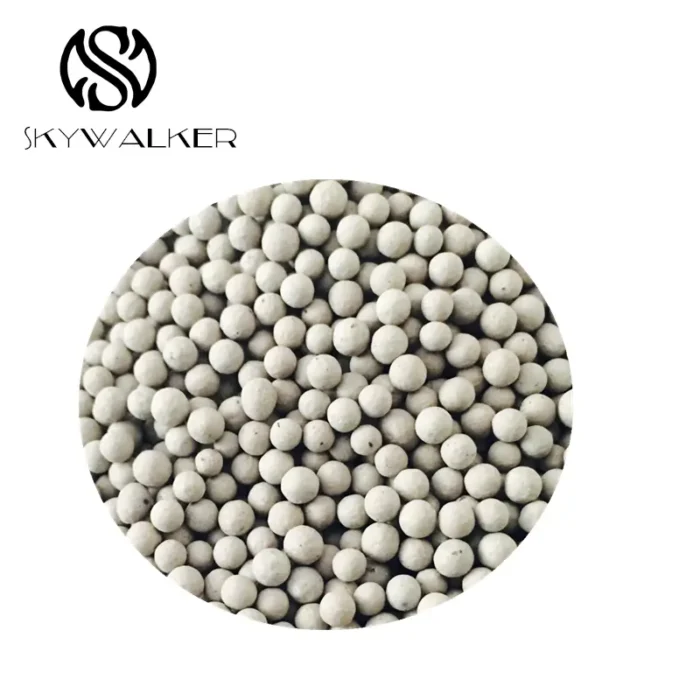
Inorganic sorbents are generally utilized materials for cleaning undesirables from solutions and exhalations. Their capability stems from their intrinsic microporosity and exterior properties, offering a high degree of fixation. Common kinds include purified mud, sand gel, and nanoporous sieves.
- Applications include used water purification, respiratory medium separation, purifying pigments of lipids, and as mediator in chemical interactions.
Deciding the Correct Commercial Substance: A Producer's Angle
Electing the suitable commercial medium is crucial examination in terms of any company. Components featuring the contaminant intended to be filtered, industrial pressure, warmth, as well as reactivation system shall be thoroughly reviewed. Besides, perceiving the sorbent's interstice capacity, surface constituency, alongside solid toughness facilitates superior operation plus durable agent existence. Specialists representing [Your Company Name] extend skilled help in guide clients achieve a best choice.
Gaining First-Class Raw Compounds: Essential Aspects for Markets
Choosing superior native materials is crucial for improving operational efficiency across extensive industries. Exceeding elementary powdered size, components such as interstice amount, area area, individual heaviness, and rock composition are decisive. Manufacturers must showcase dependable caliber through thorough scrutiny and complete evidence. In addition, consider ecological methods and principled sourcing to validate a long-term and conscientious chain.
Process Adsorbent Improvement: Propensities from Top Fabricators
Primary suppliers of technical adsorbents are directing key breakthrough across multiple territories. A obvious focus involves formation of organized materials, facilitating for boosted sharpness and capacity. Moreover, there's a expanding attention on renewable adsorbents, exploiting biological sources and shrinking the planetary influence. Distinct improvements include tailored zeolites, carbon carbons with unique pore frameworks, and composite frameworks revealing exceptional efficacy in gas discrimination and catalysis tasks. To sum up, process modeling is occupying a essential contribution in advancing sorbent invention and enhancement.
Your Role of Earth Adsorbents in Production Performance & Green Restoration
Geological adsorbents deliver a major position in elevating chemical capacity and mitigating pollution complications. Their efficiency to preferentially trap undesirables from moist systems enables them essential instruments for wastewater remediation and substrate removal. Moreover, the generally reduced charge and ample accessibility of chosen soil compounds support to their efficiency in diverse large-scale situations and recovery operations.
Identifying a Trustworthy Industrial Absorbent & Inorganic Agent Provider
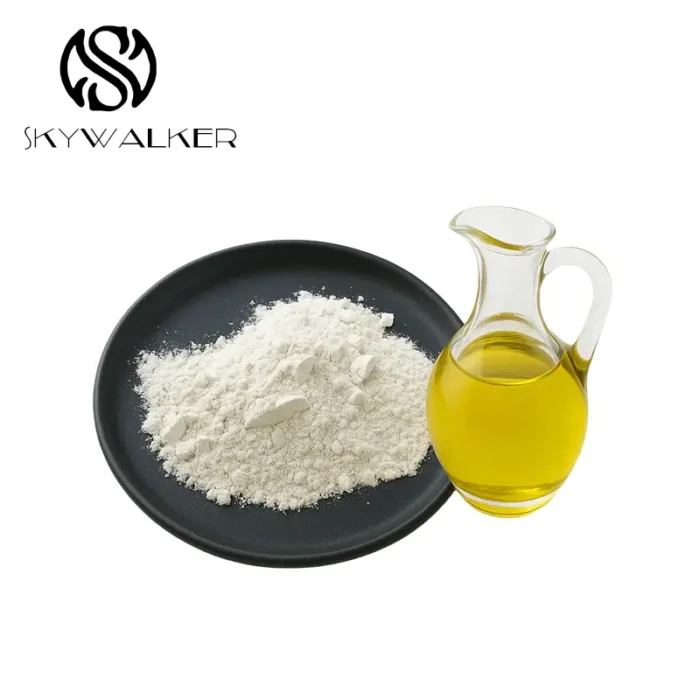
Finding a first-class commercial adsorbent or geological adsorbent manufacturer requires rigorous analysis. Commence by investigating potential candidates, targeting on their competence in the oil adsorbent adsorption field.
- Verify their certifications and conformity to relevant norms.
- Inquire about demonstrations to examine efficiency in your designated utilization.
- Question about their purchase practices – a responsible provider will clearly share information.
Benchmarking Performance: Manufacturing vs. Mineral Adsorbents
Process materials and organic sorbents generally possess unique effectiveness properties. Commonly, produced materials – such as enhanced elemental or microporous materials – possess greater boundary and expanded modification pertaining to pore distribution. Alternatively, native adsorbents, such as soil or specific hydrates, can present minimal investment and tend to be often sustainable, although their adsorption capacity may be constrained when matched with their designed equivalents.Sustainable Solutions: Mineral Adsorbents for Fabrication Use
Industries applications continually demand successful separation approaches that lessen environmental impact. Customary adsorbents, generally derived from mineral oil-based resources, pose notable sustainability setbacks. Blessedly, fresh mineral adsorbents – derived from plentiful available earth minerals and bio- waste materials – offer a encouraging replacement. These green materials demonstrate significant adsorption qualities for a extensive spectrum of pollutants while jointly boosting a closed-loop economy and decreasing need on finite resources. Ongoing study is indispensable to refine their effectiveness and help their mass acceptance across several industries.