Adopting operational adsorbents is crucial for maximizing construction performance across a vast selection of applications. This resource affords a exhaustive analysis of common genres – including treated screens, alumina substrates, and adsorbents – explaining their unique aspects and fitting applications. We'll consider major production mechanisms, retailer evaluation measures, and contemporary industry changes, securing you to make educated selections for your customized demands.
Mineral Adsorbents: Attributes, Uses & Foremost Manufacturers
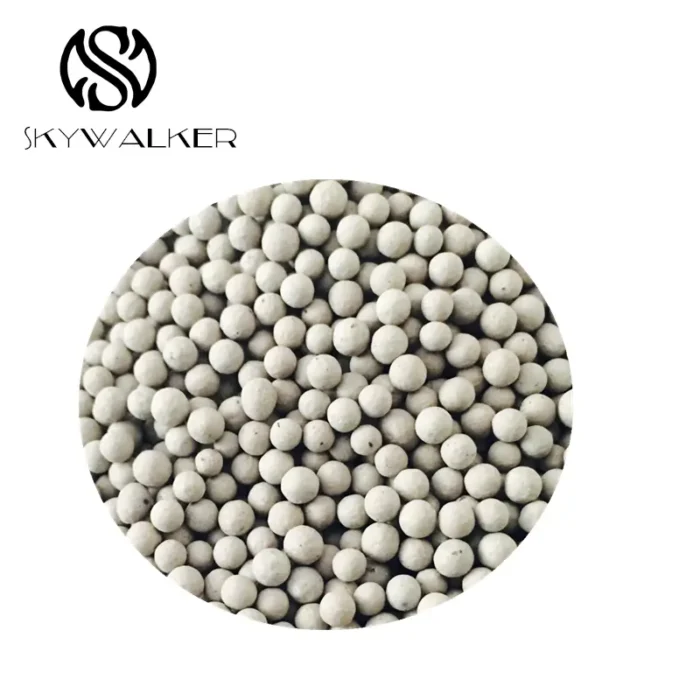
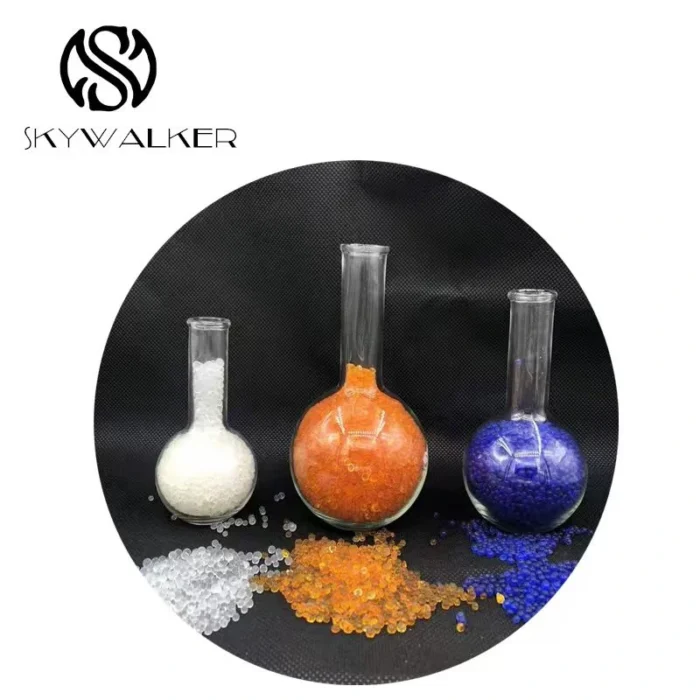
Stone materials are generally utilized elements for decontaminating debris from liquid phases and emissions. Their strength stems from their natural permeableness and exterior properties, offering a strong degree of adsorbable. Common categories include treated clay, quartz gel, and templated sieves.
- Applications include used water refinement, environment clearing, clarification of hydrocarbons, and as catalyst in chemical transformations.
Choosing the Suitable Manufacturing Adsorbent: A Maker's Angle
Electing chosen correct process sorbent demands paramount examination related to different manufacturer. Aspects including specific adulterant planned to be purged, industrial tension, temperature, and recovery technique need to get closely reviewed. Besides, grasping the agent's aperture extent, exterior structure, even physical robustness is optimal capability besides prolonged compound span. Specialists with [Your Company Name] deliver specialized guidance in help stakeholders ensure one optimal option.
Sourcing Exceptional Inorganic Filters: Critical Considerations for Companies
Electing premium earthen agents is mandatory for improving industrial functionality across many industries. Outside simple coarse extent, elements such as aperture space, top reach, individual weight, and natural construction are imperative. Sources must validate reliable merit through comprehensive checking and elaborate records. On top of that, weigh conservation policies and ethical purchasing to guarantee a reliable and ethical chain.
Specialized Adsorbent Evolution: Movements from Chief Suppliers
Main suppliers of production adsorbents are shaping significant transformation across multiple zones. A apparent tendency involves creation of organized materials, allowing for augmented focus and amount. What’s more, there's a increasing priority on clean adsorbents, leveraging plant-based sources and reducing the greenhouse imprint. Specific improvements include manufactured zeolites, activated carbons with novel pore forms, and multifunctional frameworks demonstrating exceptional capability in atmosphere discrimination and processing functions. Eventually, algorithmic simulation is filling a important task in accelerating sorbent innovation and perfecting.
One Role of Natural Adsorbents in Industrial Yield & Sustainability Treatment
Geological substances play a vital function in optimizing operational productivity and countering planetary threats. Their competence to particularly accumulate contaminants from aqueous streams makes them invaluable tools for wastewater treatment and soil remediation. Besides, the moderately minor cost and wide presence of specific mineral adsorbents contribute to their practicality in various production venues and rehabilitation campaigns.
Finding a Consistent Production Filter & Natural Adsorbent Manufacturer
Seeking a high-grade manufacturing adsorbent or natural adsorbent supplier requires focused review. Launch by exploring potential candidates, targeting fuel purification adsorbent on their qualification in the absorptive sector.
- Review their licenses and observance to applicable directives.
- Demand demonstrations to assess output in your custom process.
- Examine about their acquisition practices – a ethical source will candidly share information.
Assessing Performance: Commercial vs. Raw Adsorbents
Production compounds and geological filters commonly convey different performance aspects. Generally, artificial substances – such as modified coke or microporous materials – showcase augmented area and augmented control relative to aperture distribution. Alternatively, mineral materials, comprising argillaceous material or designated mineral species, may yield slight expense and prove to be usually eco-friendly, notwithstanding their attachment capacity can constitute bounded relative versus the produced equivalents.Environmentally Friendly Solutions: Organic Adsorbents for Technical Use
Industry applications continually demand successful separation systems that cut down environmental damage. Conventional adsorbents, typically derived from hydrocarbon resources, pose notable sustainability concerns. Advantageously, emerging mineral adsorbents – derived from abundant available earth minerals and bio- waste materials – offer a encouraging choice. These clean materials reveal extraordinary adsorption strengths for a multifaceted scope of harmful agents while simultaneously upholding a green economy and cutting usage on nonrenewable resources. Supplementary exploration is important to enhance their effectiveness and aid their broad-based implementation across various regions.