Porcelain creation illustrates a distinguished craft version with a expansive past, spanning back legions of years. From ancient receptacles to present-day presentations, the material offers unequalled possibilities for creative performance. Creators apply several techniques – including constructing, wheel throwing, and sophisticated firing processes – to convert humble soil into aesthetic three-dimensional productions. The longevity of fired pottery also contributes to its status as a truly important part of human civilization.
Studying Clay Board Designs and Techniques
The realm of ceramic panel design offers a expansive array of imaginative possibilities. Artisans often apply a amalgamation of authentic and current techniques to craft visually remarkable pieces. These can stretch from simple, fashioned reliefs to complex, multi-layered configurations. Routine methods include slip casting, forming by hand, coating application – which can involve diverse modes like primary coloration, applying decoration after firing, and scratched decoration where designs are uncovered by removing a layer of glaze. Enhanced inquiry into exterior stylings such as cold firing and shimmer glaze can bring about truly one-of-a-kind and individualized pottery boards.
- Shape Forming - Fabricating pieces using a model
- Hand Shaping - Delicately building the mud
- Surface Finishing - Layering the face with a vitreous finish
- Scraped detail - Highlighting designs by peeling off finishes
Immersive Experiences: Stoneware Art Presentations
The developing landscape of imagination presents exciting cutting-edge avenues for participants, and ceramic art installations are at the forefront of this transition. These aren't just static pieces; they are designed to envelop the participant in a sensory atmosphere. Imagine venturing into a forest of towering, decorated ceramic trees, or navigating a network of sensitive ceramic vessels. Many craftsmen are now incorporating sound, brightness, and even aroma to enhance the vibe of their work. Envision the power of a room filled with hundreds of hand-built ceramic pieces, each telling a narrative. Traditionally, such installations investigate themes of flora and fauna, the past, and the collective.
- Those installations blur the thresholds between work and venue.
- Participating in a ceramic art installation can be a deeply transformative journey.
- Makers are transporting the constraints of what is realizable with clay.
This Attractiveness of the Clay Holder: Function and Structure
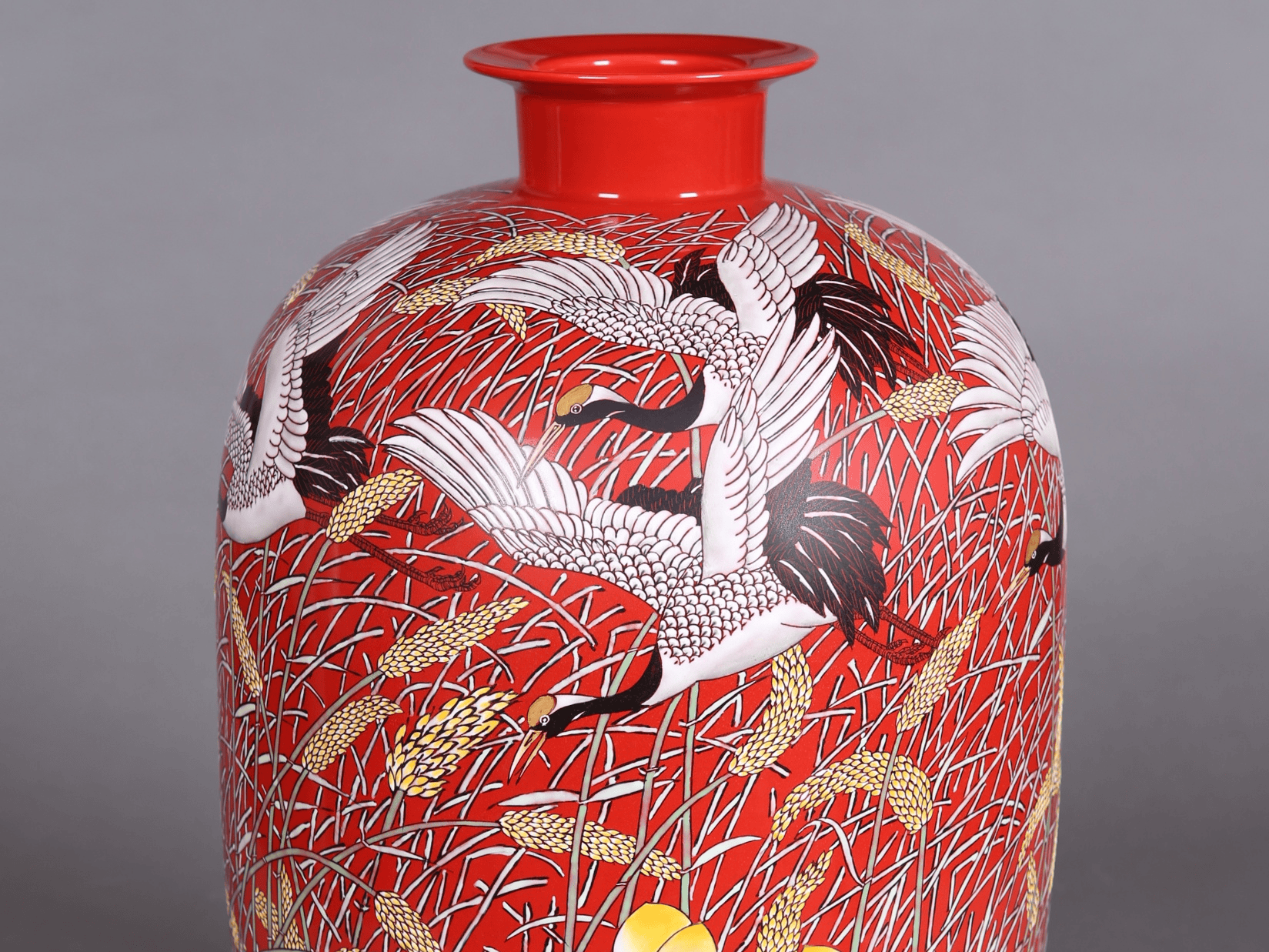
The brick container represents a impressive blend of efficiency and stylish appeal. Historically, these receptacles served a rudimentary role in storing items, but their evolution has transformed them into highly valued works of expression. Each component showcases the skill of the artist, demonstrating how outline can be as pressing as use. The attentive shaping, the rare glazes, and the general presence of a skillfully-formed receptacle can elevate a space, offering both charm and a reserved reminder of the designer’s hand.
Current Porcelain Model : Broadening Limits
Present-day stoneware figure represents a fascinating development from classic practices. Makers are energetically challenging with modern procedures, blurring the distinctions between pottery and separate imaginative domains. From colossal installations to elaborate miniature pieces, noted works probe themes of identity while at the same time rethinking the definition of what ceramics can achieve. The product is a exciting arena of innovative manifestation.
Pottery Marker: Protecting Past in Earth
Clay plaques offer a special method for registering significant events and persons. Contrasted with traditional metal or stone markers, these tough pieces of design are formed from hardened clay, creating a physical link to the past. Typically, they highlight intricate models or Ceramic Cup Set delicately designed imagery, communicating stories that might otherwise be disregarded. These technique, traceable to ancient civilizations, provides a beautiful and timeless way to remember our collective history.
- Such can be placed in general spaces.
- A multitude of are now viewed historical relics.
Ceramic Art Presentations: Reimagining Environments
Ceramic art installations are materializing a strong medium for sculptors to revise public and private places. These immersive creations frequently involve large-scale clay models that involve viewers, shifting their awareness of the created environment. By incorporating diverse ways like manual assembly and complex firing procedures, ceramic artists generate truly original experiences, removing the lines between production and environment. The upshot is often a emotional modification that improves the aesthetic quality of the site and encourages communication.
Beginning Spindle to Marvel: The Practice of the Clay Holder
The journey of a clay jar from a simple lump of clay to a polished work of art is a testament to human talent. Classicall, the process initiates with the potter’s circular platform, where the talented artisan creates the spinning earth into a cylindrical design. This early part demands accuracy and a sharp eye, followed by a delicate dehydration period. Once heat-treated, the jar is ready for detail work, which may feature illustrating intricate patterns, etching detailed illustrations, or executing a selection of enamels. The definitive baking process then modifies the product into a durable and eye-catching pot, a tangible manifestation of the artist's passion.
Pottery with Pottery: A Course to Brick Art
Entering the domain of terracotta composition begins with understanding the essentials of carving with stoneware. A practice involves methodically assembling and carving elements to make three-dimensional models. If you're a neophyte or a seasoned maker, playing with assorted varieties of pottery – particularly ceramic – will support you explore your original signature. At last, terracotta carving is a fruitful process that joins expert proficiency with original communication.